

TIC BioIN
A network-based initiative for interaction and knowledge transfer aimed at promoting the bioeconomy in the inland region.
Our work
The 5 pillars of our strategy will be supported by practical activities, capable of creating value for the entire food chain. Meet our current and future projects:
A network-based initiative for interaction and knowledge transfer aimed at promoting the bioeconomy in the inland region.
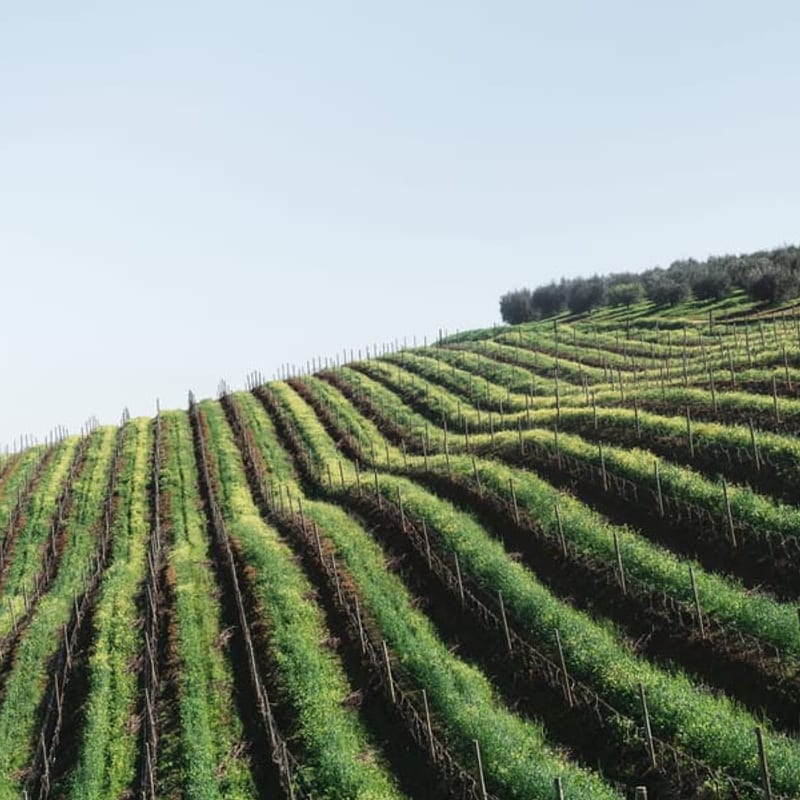
A personalised biostimulants service, developed from a deep understanding of each soil, crop and environmental context.
We empower sustainable technologies by creating circular food systems with a low environmental footprint in Portugal.
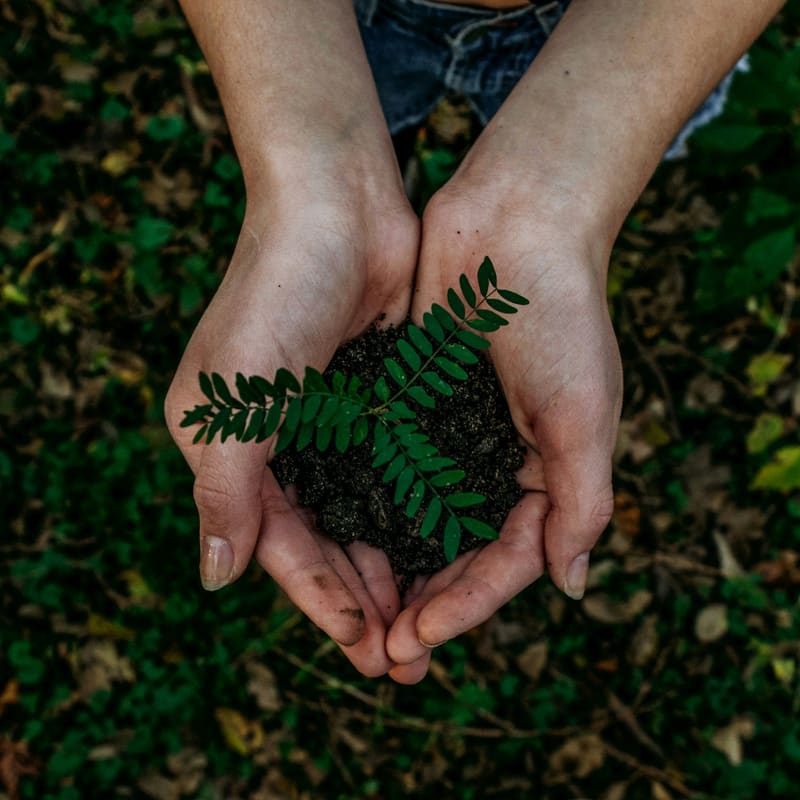
From Ash to Living Soil — a community-led journey to regenerate fire-affected land through science, art & collective action.
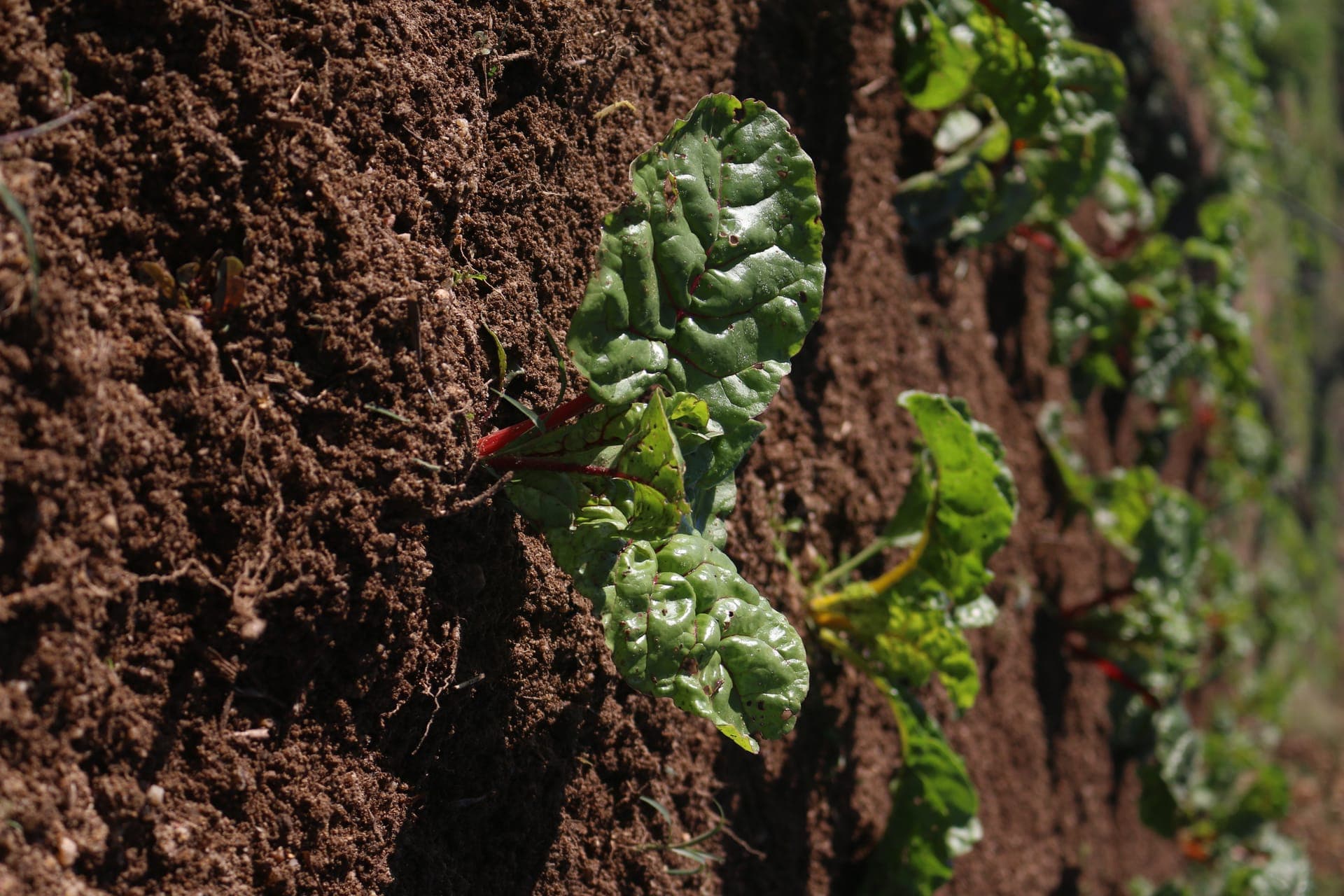
Dedicated to testing, implementing, and disseminating new approaches to agricultural food systems for sustainability.
It aims to combat the spread of quarantine pests, particularly Clavibacter sepedonicus (Cs) and Ralstonia solanacearum (Rs), by developing early detection systems, bio-control solutions, and Integrated Pest Management (IPM) strategies to reduce pest incidence by 40–60%.
It aims to develop vocational training skills and educational programmes that meet the needs of the agriculture of the future, transforming the agri-food sector towards digitalisation, decarbonisation and sustainability.
The Collaborative Laboratories facilitate cooperation among professionals, researchers, students, entrepreneurs, and the community to tackle complex challenges, develop new products and services, and share knowledge and resources.

It addresses the urgent challenges of food waste and aims to improve healthy food options by transforming food waste and by-products into nutritious and sustainable solutions.
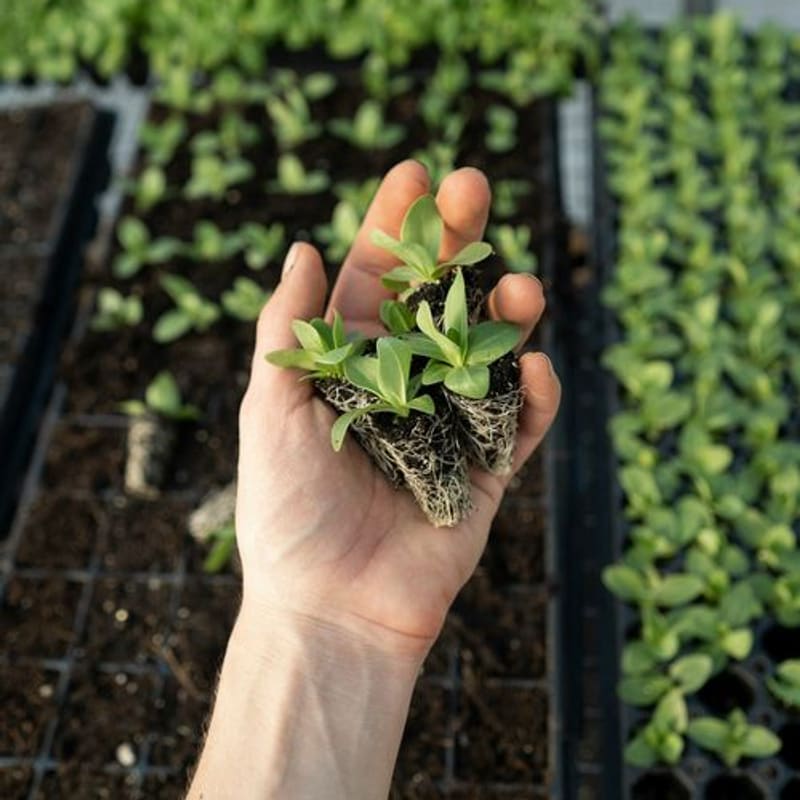
It aims to establish 5 living labs across 6 countries in the Mediterranean region, from Portugal to Israel, to promote agricultural practices that enhance soil carbon sequestration.
Establishes the benefits of regenerative agriculture practices on milk quality and soil health by implementing pilot projects on commercial farms.

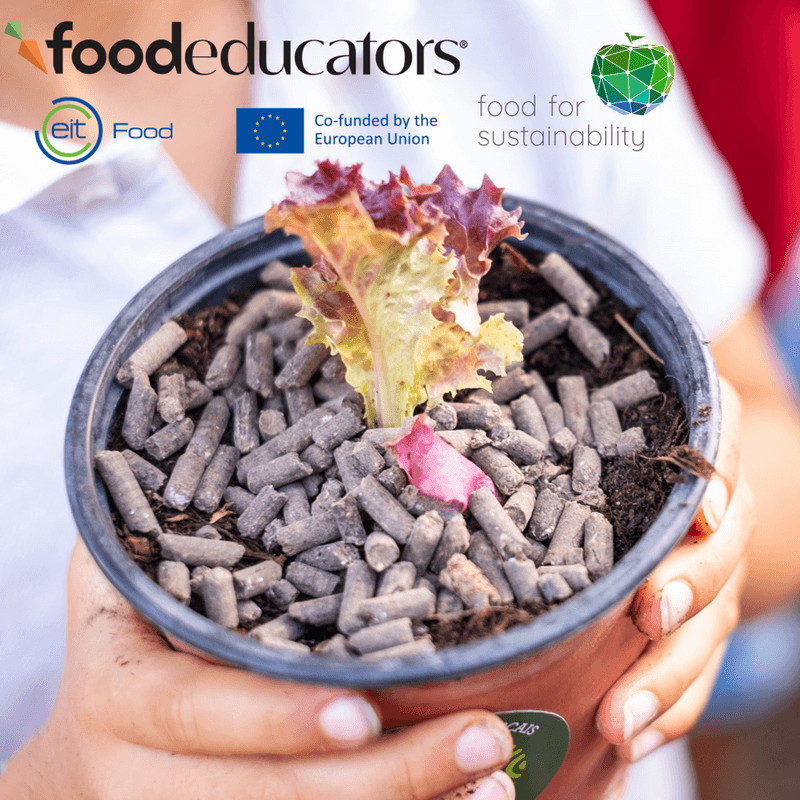
Raise participant awareness on the importance of sustainably grown food and healthy eating while also promoting cultural exchange by sharing traditional salad recipes via digital tools.
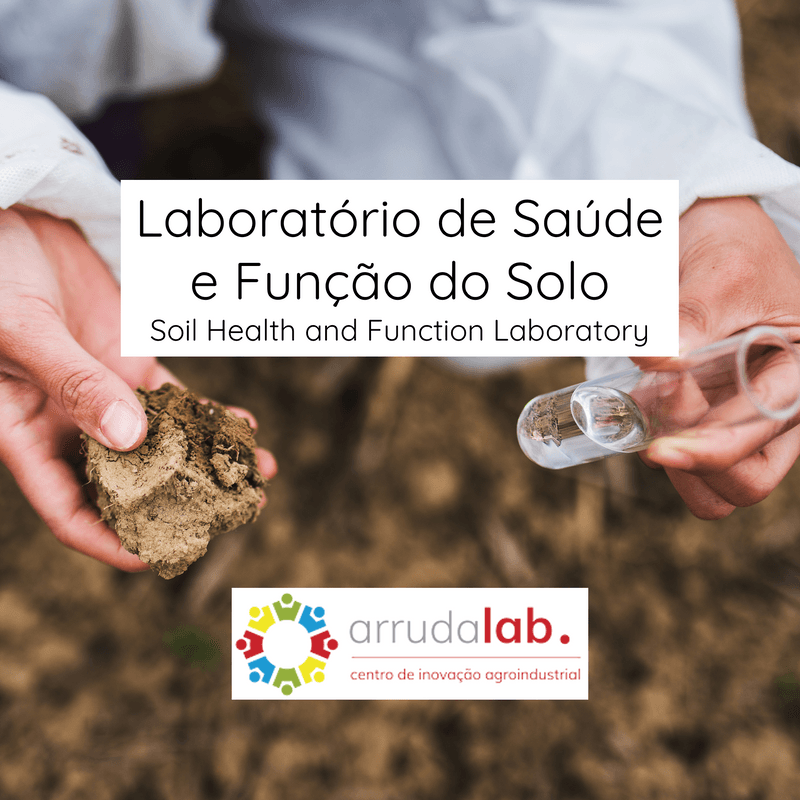
By examining the microbial communities present in the soils and their associated functions, farmers gain valuable insights on soil health and function.
Explore career pathways in the agri-food industry. Career Day aims to show secondary school students how higher education routes can lead to gratifying and inspiring careers that will drive innovation within the entire agrifood value chain.
Evaluates the potential use and valorization of co-products from the national agro-industry (brewing industry, fruit juices and pulps, olive groves, vineyards, and their bioactive substances) in the production of organic fertilizers.
An immersive experience specifically designed to nurture entrepreneurial skills and empower individuals who share a deep passion for agri-food and sustainability.
Deep Tech Innovation Programme for Agrifood. Accelerate capacity building in entrepreneurship and innovation of the higher education institutions involved, in domains of deep tech that enable agrifood by-product valorization.
Integrated approach to territorial food systems aiming to affect systemic change on food behavior and the valorization of the Mediterranean diet.
Integrated valorization of acorns and their by-products as raw material for the development of new innovative food products.
Smart sustainable foods and trade — European Digital Innovation Hub. The digital innovation hub for the agri-food sector is the single point of access for digitizing the farm to fork sector.
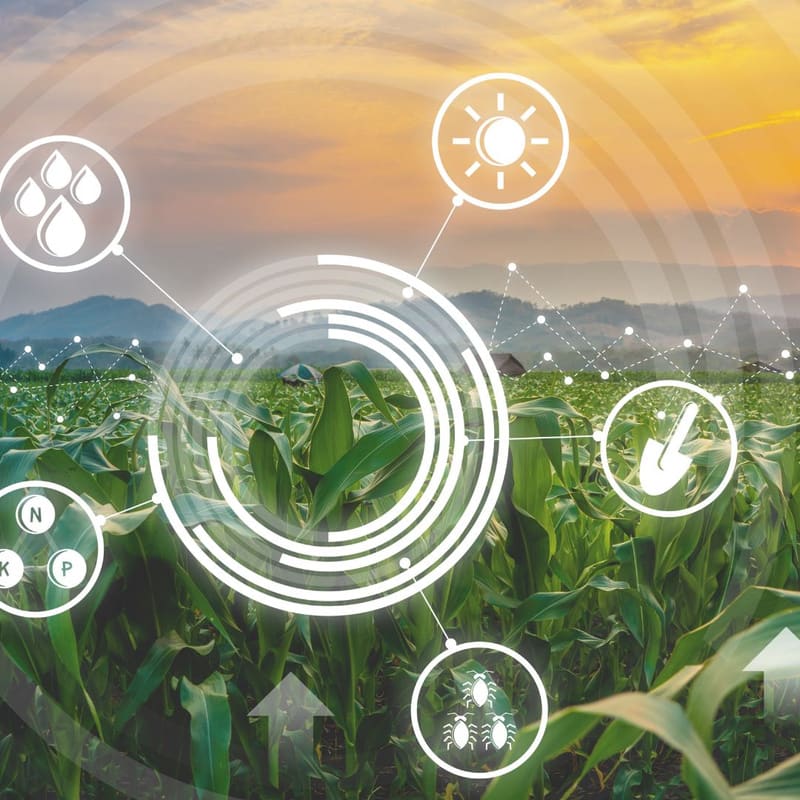
Supports companies in making their new digital products and services commercially viable.
Recovering ecosystems in semi-arid areas and promoting stands with more adapted ecological structure in Montado.
Design for simple and advanced biodiversity monitoring systems that combine classical indicator systems with new technology to measure field biodiversity.
Startup market discovery programme. A 4–6 month programme aiming to transform science and technology-based innovations into market-validated businesses.
The Grow Workshops are educational sessions that debate emerging trends and technologies in the sustainable agricultural sector.
Unleashes the structural transformation of the Portuguese forestry sector by promoting digital transitions, economic resilience, and carbon neutrality to strengthen forest sustainability.
Explores the relationship between food and climate change adaptation, proposing practical solutions to reduce the environmental impact of the food system.
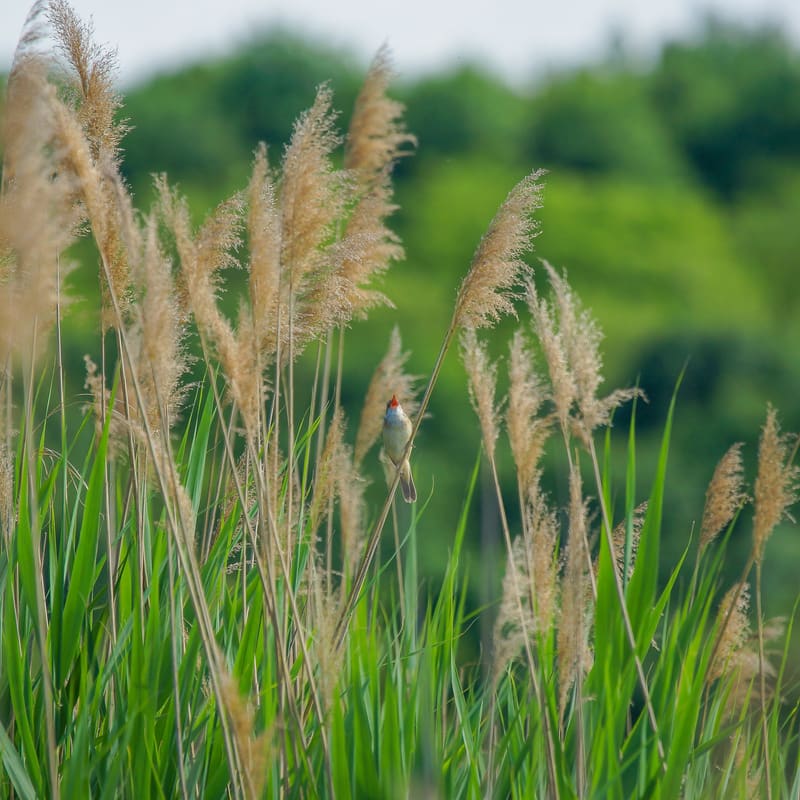
Supports the development of resilient and competitive production systems and enhances the provisioning of ecosystem services in degraded and marginal soils by facilitating sustainable fiber value chains in European industries.
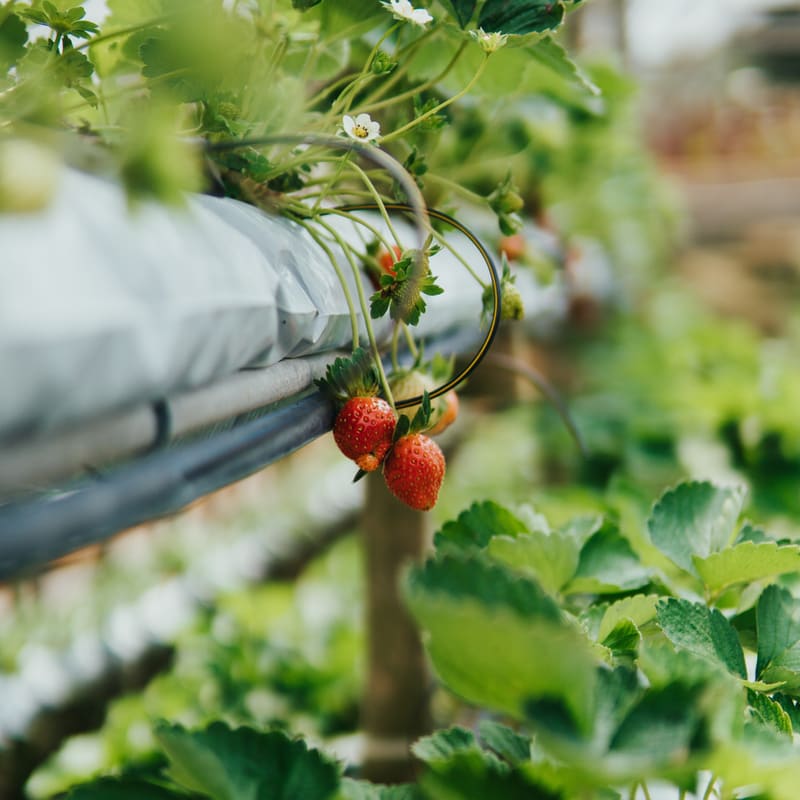
Innovation for sustainable aquaponics systems — increases production while bringing together production and consumption.
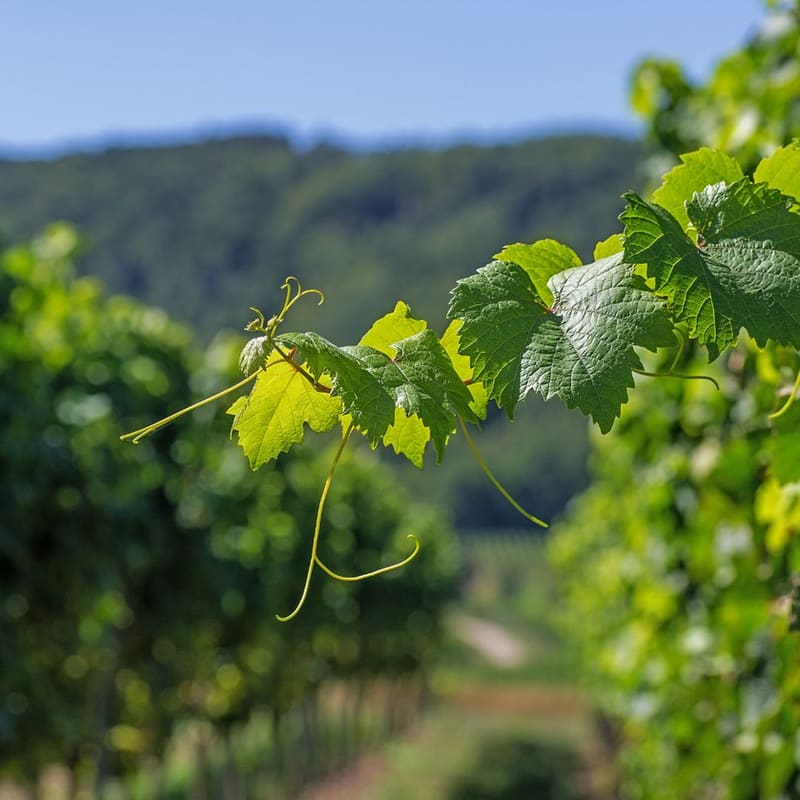
Combines artificial intelligence and remote sensing to create a technological solution to monitor grape leaves in vineyards.

Territorial network that promotes and raises awareness among the community on how to obtain healthy and sustainable diets through food education sessions, events and capacity building materials.
This platform brings together all the organic operators. It promotes the sharing of contacts, knowledge and sustainable practices.
Promotes the inland regions, their companies, and their products by demonstrating the quality of their products to entities in the national scientific system.

Promotes a gradual transition to an agriculture and food system based predominantly on vegetable protein to reduce the ecological footprint.
Unique, intensive, hands-on immersion on sustainable and regenerative agriculture and its impact on food production systems.
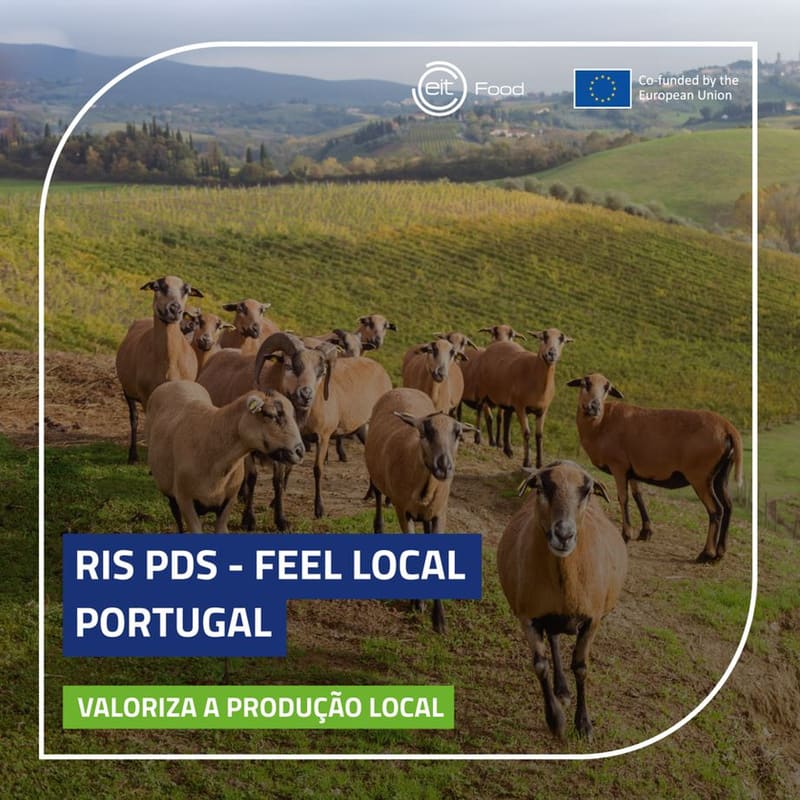
Contemporary workshop to develop and strengthen the communication between producers and consumers along short supply chains.
Develops an optimized and innovative methodology to measure the effectiveness and impact of EU support programs in Portugal.
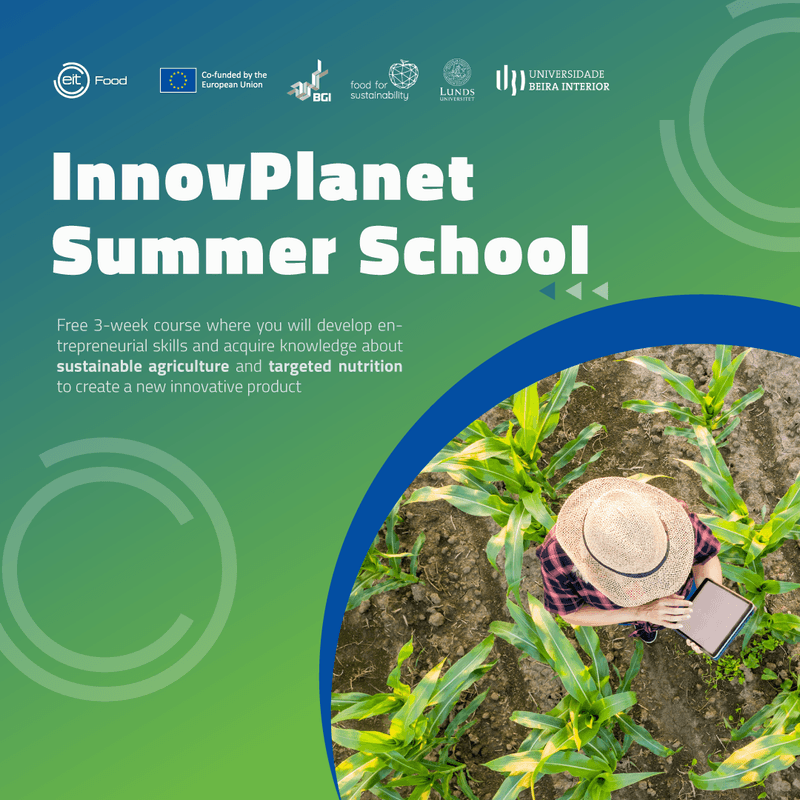
Immersion into methodologies and tools for sustainable agriculture with a focus on digital transformation and smart farming technologies.
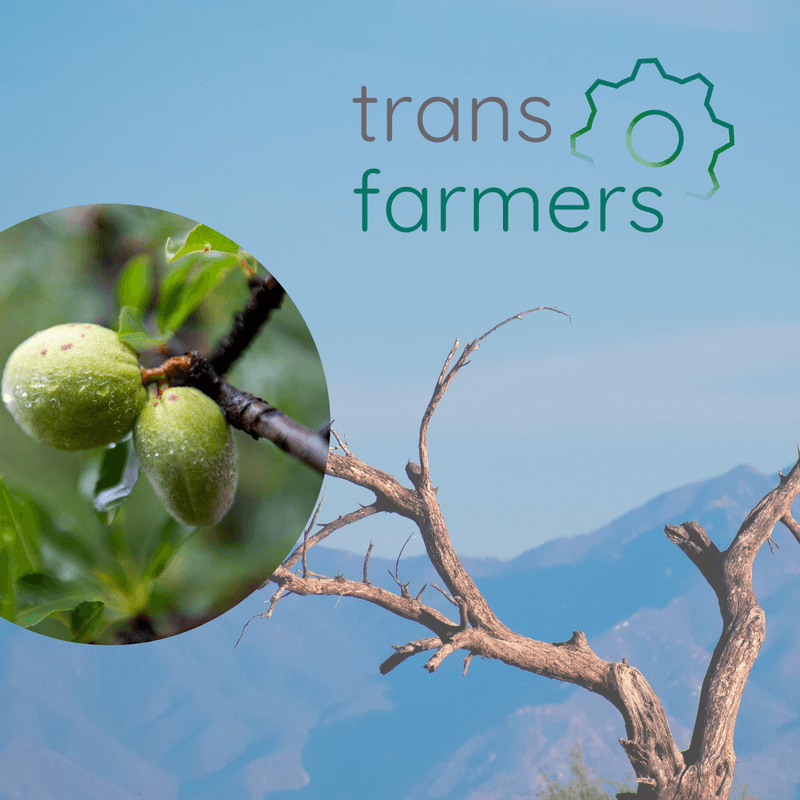
Erasmus+ project aimed at creating a network of contacts between almond producers.
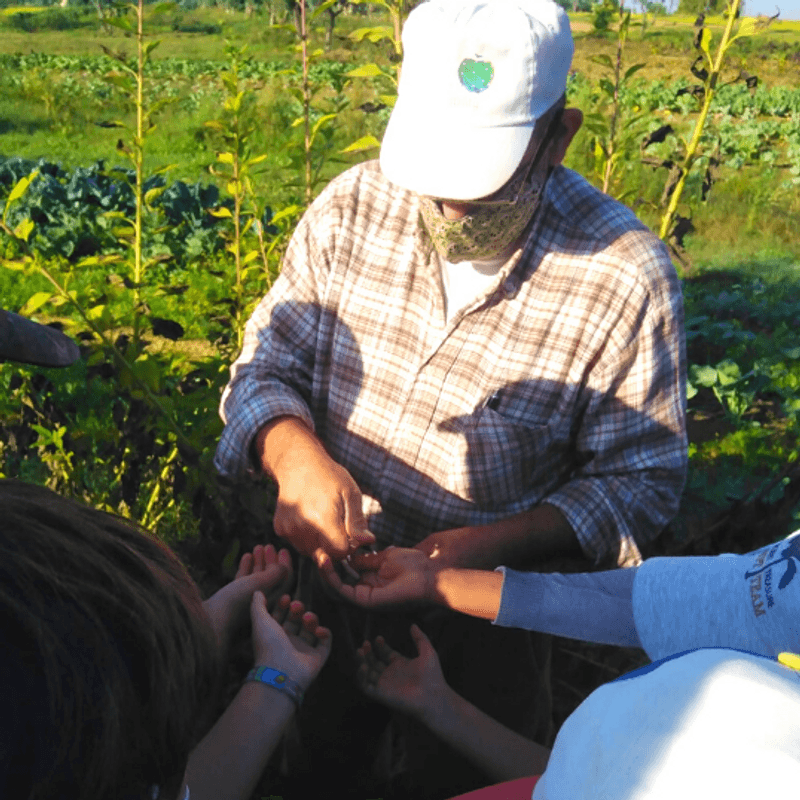
Implements and tests a pilot program of healthy eating habits across all school education cycles in the Idanha-a-Nova region.
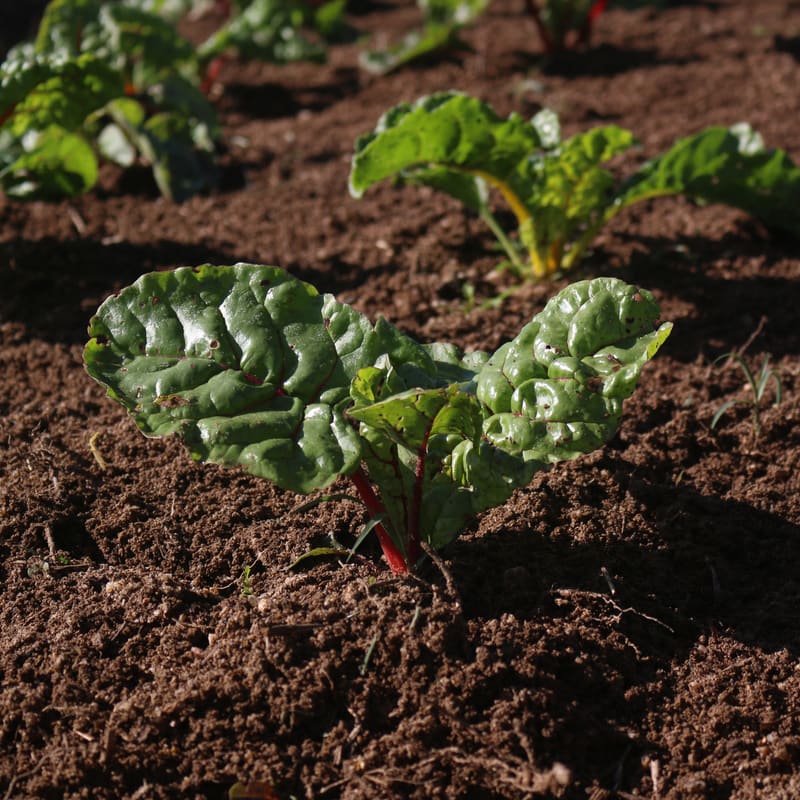
Dedicated to testing, implementing, and disseminating new approaches to agricultural food systems for economic, social, and environmental sustainability.

Food4Sustainability aims to put Portugal at the forefront of circular food production systems with low carbon emissions and reduced water use within 5 years.